Best Olive Oil for Health: How to Choose for Maximum Benefits
| ArticlesEvery bottle of olive oil on a store shelf claims to be pure, natural, and good for you. Yet medical trials, biochemical analyses, and culinary studies make one point unmistakably clear, not all olive oils deliver the same therapeutic impact.
If your goal is to reduce cardiovascular risk, tame systemic inflammation, optimize metabolic markers, or support long-term cellular health, choosing the right bottle requires looking past marketing buzzwords. You need to understand specific chemical criteria, cultivar genetics, and agricultural standards.
This comprehensive guide details exactly what constitutes the best olive oil for health, the objective chemical markers that prove therapeutic value, and how to verify quality before you buy.
Table of Contents
1. What Makes an Olive Oil Truly Superior for Health?
To understand what makes an olive oil healthy, we must first separate industrial refined fats from pure mechanical fruit extracts.
Standard refined olive oils, often sold as "pure" or "light", are subjected to thermal neutralisation, charcoal filtration, and chemical deodorization. While they retain neutral monounsaturated fatty acids, they are completely stripped of the heat-sensitive micronutrients that make olive oil beneficial. Industrial seed oils present even greater metabolic concerns due to solvent extraction and excessive omega-6 ratios.
The only grade that delivers clinically documented health advantages is certified Extra Virgin Olive Oil (EVOO). True EVOO is an unadulterated fruit juice extracted purely through mechanical means, retaining hundreds of bioactive compounds that work synergistically inside the human body.
To learn how pure olive oil compares to other culinary grades and cooking fats, read our foundational pillar overview on olive oil types and qualities.
2. Key Chemical Benchmarks: Polyphenols, Acidity, and Peroxides
Marketing terms like "premium" or "gourmet" carry zero legal weight. To find the best olive oil for your health, look for three measurable laboratory parameters:
1. High Phenolic Content (Polyphenols)
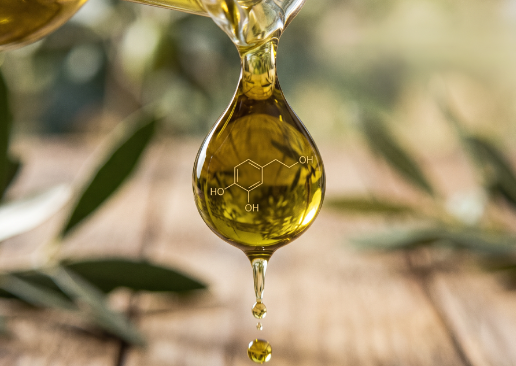
Polyphenols are natural antioxidants that protect human cells against oxidative stress and arterial damage. The most potent among them are oleocanthal, which inhibits inflammatory COX enzymes in a manner similar to ibuprofen, and hydroxytyrosol, an exceptional free-radical scavenger.
Under European Commission Regulation (EU) 432/2012, an olive oil must contain at least 250 mg/kg of polyphenols to carry an authorized health claim regarding blood lipid protection. However, therapeutic-grade oils harvested early in the season often reach 400 to 800+ mg/kg. To explore these bioactives in depth, see our complete guide on polyphenols in olive oil.
2. Free Acidity Level
While the official standard for extra virgin olive oil allows acidity up to 0.8%, top-tier oils consistently maintain acidity below 0.3%. Low acidity directly indicates pristine, undamaged olives, immediate milling after harvest, and clean extraction.
3. Low Peroxide Value
Peroxides measure early-stage oxidation. High-grade estate oils hold peroxide values below 10 meq O2/kg (against an allowable limit of 20), proving that the oil was shielded from oxygen, heat, and degraded fruit tissue during processing.
At Savouidakis, we adhere to strict agronomic standards to ensure our oils score exceptionally across every laboratory metric. Harvested from our family groves in the Messara Valley of Crete and cold extracted within hours below 25°C, our single-estate extra virgin olive oil products consistently achieve acidity levels around 0.2% alongside naturally high polyphenol counts.
3. The Role of Olive Varieties and Early Harvest Timing
Even among extra virgin olive oils, two critical agricultural factors determine ultimate antioxidant density: the cultivar and the harvest date.
Olive Cultivar Genetics
Certain olive varieties naturally synthesize far higher concentrations of protective biophenols than others. For example, the native Greek Koroneiki cultivar produces smaller fruit with an extraordinarily concentrated ratio of pulp to skin, resulting in some of the highest oleic acid (frequently exceeding 75%) and polyphenol levels documented worldwide.
Early Harvest (Agoureleo) Advantage
Timing is everything. As olives ripen from green to purple and black, their total oil volume increases, but their polyphenol concentration steadily declines. Producers focused primarily on commercial yields harvest late to extract more oil per tree. In contrast, producers prioritizing health harvest early while the fruit is still unripe.
Early harvest oils require significantly more kilograms of fruit to yield a single liter of oil. The reward is a vibrant green oil offering remarkable chemical stability, dynamic peppery pungency, and maximum longevity benefits.
Furthermore, early-harvest fruit must be processed gently. Learn why extraction mechanics matter in our technical review of what cold pressed olive oil really means.
4. How Much and How to Consume Olive Oil Daily for Health
Scientific consensus, including landmark findings from the multi-center PREDIMED trial, indicates that consuming 20 to 30 ml (approximately 1.5 to 2 tablespoons) of high-polyphenol extra virgin olive oil daily provides clear, measurable reductions in cardiovascular events and chronic inflammation markers.
Drinking Olive Oil Daily
Many health enthusiasts consume a tablespoon of extra virgin olive oil straight in the morning. When doing so, a peppery, cough-inducing sensation at the back of the throat is an excellent sign. That distinct sting confirms the presence of active oleocanthal, indicating authentic anti-inflammatory potency.
Metabolic Health and Weight Management
Despite being calorie-dense (roughly 120 calories per tablespoon), extra virgin olive oil contains zero carbohydrates and zero sugars. Its rich oleic acid content triggers gut-derived satiety hormones like peptide YY and GLP-1, preventing insulin spikes and promoting sustained metabolic satiety. For detailed guidance on incorporating EVOO into low-carb regimens, read our guide on olive oil for the keto diet.
To enjoy these health benefits across varied home culinary dishes, explore our collection of nutritious Mediterranean olive oil recipes.
Clinical excellence and consistent quality are central to our work at Savouidakis. Our production methodologies are backed by third-party food safety and organic certifications, while our finished oils are routinely evaluated and awarded across prestigious international olive oil competitions.
5. The Buyer's Verification Checklist
Before purchasing your next bottle of olive oil for health, verify these essential indicators on the label:
- Look for a Specific Harvest Date: An expiration date only indicates when the oil was bottled. A genuine harvest date tells you when the fruit was on the tree. Choose oils from the most recent harvest season.
- Insist on Single-Estate Provenance: Avoid generic supermarket bottles that state "Product of EU" or blend oils from multiple unnamed countries. Seek oils with a named estate, mill, and region.
- Check for Dark Packaging: Light degrades delicate polyphenols within weeks. Authentic health-grade oils are packaged in dark amber glass, ceramic stoneware, or coated tinplate containers.
- Identify the Olive Variety: Look for transparent declarations of single cultivars, such as 100% Koroneiki.
- Trust the Taste Profile: Real therapeutic olive oil is not bland or buttery. It should display grassy fruitiness, pleasant natural bitterness, and a crisp, peppery kick in the finish.
By purchasing directly from an established estate producer like Savouidakis, you bypass bulk shipping tankers, middle distributors, and extended warehouse storage, ensuring fresh, nutrient-dense oil delivered directly from the grove to your table.
6. Frequently Asked Questions about Best Olive Oil for Health
What is the best olive oil for your health?
The best olive oil for health is certified, cold extracted extra virgin olive oil made from early-harvest olives with a high polyphenol count (above 250 to 500 mg/kg), acidity below 0.3%, and transparent single-estate origin.
What is the best extra virgin olive oil for health benefits?
The best extra virgin olive oil for health benefits comes from varieties naturally packed with polyphenols, such as the Greek Koroneiki olive, harvested early in the season and pressed within hours below 25°C to protect delicate antioxidants like oleocanthal and hydroxytyrosol.
Which olive oil is best to drink daily for health?
For daily drinking or raw consumption, choose a single-estate, unblended early-harvest extra virgin olive oil. A noticeable peppery tingle in the throat indicates active oleocanthal, confirming strong anti-inflammatory properties.
Which olive oil is best for health and weight loss?
Unrefined extra virgin olive oil is best for weight management because its monounsaturated oleic acid stimulates satiety hormones like GLP-1, stabilizes blood sugar levels, and contains zero carbohydrates.
The Bottom Line
Finding the best olive oil for health is not about finding the most expensive decorative bottle. It is about understanding the transparent connection between agricultural care, early-harvest timing, protective mechanical extraction, and verified chemical integrity.
When you invest in true, high-phenolic extra virgin olive oil, you are providing your body with one of the most potent, scientifically validated functional foods available to human nutrition.
At Savouidakis, our mission is producing certified, high-phenolic Cretan extra virgin olive oil from native Koroneiki trees grown in the mineral-rich soils of the Messara Valley. Milled strictly below 25°C within hours of picking, our oils consistently capture honors at leading international olive oil competitions and meet stringent third-party quality certifications.
Want to experience firsthand how genuine high-polyphenol olive oil tastes?
Book an authentic olive oil tasting and food pairing experience at our estate in Crete, or browse the complete Savouidakis olive oil collection online to bring true health-grade quality to your daily table.