Olive Oil: The Ultimate Guide
| ArticlesOlive oil is far more than an everyday cooking ingredient. It is the cornerstone of Mediterranean culinary culture, an ancient whole-food fat celebrated for thousands of years, and the subject of modern clinical research into cardiovascular health, metabolic longevity, and systemic inflammation reduction. Yet, shopping for olive oil today reveals an overwhelming landscape of vague labels, ambiguous marketing claims, and stark price differences.
This evergreen guide serves as your comprehensive reference for everything related to olive oil. From understanding chemical grades and extraction technology to navigating smoke points, proper home preservation, and verified origin labeling, you will find practical, science-backed guidance directly from an authentic agricultural perspective.
Table of Contents
- 1. What Is Olive Oil and How Does It Differ From Other Oils?
- 2. Grades of Olive Oil: Extra Virgin to Refined
- 3. How Olive Oil Is Made: From Tree to Bottle
- 4. Olive Cultivars, Terroir, and Flavor Profiles
- 5. Evidence-Based Health Benefits and Nutrition Profile
- 6. Cooking With Olive Oil: Smoke Point, Frying, and Baking
- 7. Shelf Life, Expiration, and Proper Storage
- 8. How to Identify Authentic, High-Grade Olive Oil
- 9. Frequently Asked Questions About Olive Oil
1. What Is Olive Oil and How Does It Differ From Other Oils?
Olive oil is the pure juice extracted from the fruit of the olive tree (Olea europaea). Unlike oils extracted from seeds like corn, soybeans, or rapeseeds, olive oil is botanically a fruit oil.
This natural origin changes the extraction process entirely. Seed oils cannot yield liquid fat through physical pressing alone, requiring industrial producers to use petroleum-derived solvents like hexane, intense heat, chemical bleaching, and high-temperature deodorization. Conversely, pure olive oil can be extracted through mechanical pressure alone, completely avoiding chemical refining and additives.
For a detailed breakdown of fatty acid ratios, industrial processing hazards, and physiological differences, read our complete investigation into whether olive oil is considered a seed oil.
At its core, authentic unrefined olive oil consists of:
- Monounsaturated Fatty Acids (primarily Oleic Acid): Making up 55% to 83% of total volume, these stable fats support optimal blood lipid balance and arterial health.
- Saturated Fatty Acids: Providing natural stability against oxidation, accounting for approximately 13% to 15%.
- Polyunsaturated Fatty Acids (Omega-6 and Omega-3): Present in low, balanced concentrations, typically 8% to 12%.
- Minor Bioactive Compounds: Natural polyphenols, squalene, tocopherols (vitamin E), phytosterols, and aromatic terpenes that determine real health efficacy.
2. Grades of Olive Oil: Extra Virgin to Refined
The International Olive Council (IOC) and the European Union enforce strict chemical and sensory standards for olive oil. Not all bottles labeled "olive oil" offer the same culinary properties or health benefits.
| Grade | Free Acidity Limit | Extraction Method | Sensory Profile |
|---|---|---|---|
| Extra Virgin Olive Oil (EVOO) | ≤ 0.8% (Top estates: ≤ 0.3%) | Strict mechanical extraction (< 27°C) | Zero defects, distinct fruitiness, natural bitterness, peppery finish |
| Virgin Olive Oil | ≤ 2.0% | Mechanical extraction | Minor sensory defects permissible, milder aroma |
| Refined Olive Oil | ≤ 0.3% (after chemical treatment) | Chemical neutralisation, charcoal filtering, thermal processing | Completely neutral, tasteless, stripped of antioxidants |
| Regular / Pure Olive Oil | ≤ 1.0% | Blend of refined oil and 5% to 15% virgin olive oil | Faint olive flavor, minimal antioxidant content |
| Olive Pomace Oil | ≤ 1.0% | Solvent extraction from residual olive paste and pits | Industrial cooking fat, zero premium culinary value |
Extra virgin olive oil is the highest quality grade. It represents fresh, unadulterated fruit juice without chemical solvents, thermal modification, or refining. All therapeutic properties documented by nutritional science are linked specifically to extra virgin olive oil.
At Savouidakis, our agricultural team focuses exclusively on single-estate extra virgin olive oil cultivated in the Messara Valley of Crete. By keeping mechanical pressing temperatures consistently below 25°C, we produce an exceptional oil with natural acidity levels down to 0.2%, far exceeding international quality benchmarks. You can inspect our full range of certified extra virgin olive oil products to experience single-estate provenance directly.
3. How Olive Oil Is Made: From Tree to Bottle
The journey from fresh olive to bottled oil requires agricultural expertise, careful timing, and advanced mechanical extraction methods.
- Harvesting at Optimal Maturity: Premium producers harvest during the veraison window, when olives transition from green to purple. Early-harvest fruit yields less volume, but packs the highest density of protective antioxidants.
- Defoliation and Washing: Harvested fruit is transported to the mill within hours, sorted, washed in clean cold water, and cleared of leaves and organic field debris.
- Crushing: Olives are mechanically crushed using stainless steel hammer mills, forming a paste composed of fruit pulp, olive skin, and stone fragments.
- Malaxation (Slow Mixing): The paste is slowly stirred for 20 to 35 minutes. This allows microscopic oil droplets to coalesce into larger continuous streams. Temperature during malaxation is the decisive factor, to qualify as genuine cold extracted oil, the temperature must stay below 27°C (80.6°F) at all times.
- Centrifugal Separation: Modern two-phase decanters spin the paste at over 3,000 RPM, cleanly separating the oil from solid pomace and vegetable water without adding excess heated water.
- Filtration and Storage: The fresh oil is filtered to remove residual moisture and particulates, then stored in climate-controlled stainless steel tanks under nitrogen to block oxygen exposure.
To understand the mechanical differences between traditional presses and modern high-speed centrifuges, explore Savouidakis technical breakdown of what cold pressed olive oil really means.
4. Olive Cultivars, Terroir, and Flavor Profiles
Just as wine grapes express their soil and microclimate, olive varieties reflect their geographical origins. The cultivar, altitude, sunlight exposure, and soil composition directly shape the oil's sensory attributes and polyphenol concentration.
Prominent Mediterranean cultivars include:
- Koroneiki (Crete, Greece): Often called the queen of olives, producing small fruit with exceptionally high oleic acid and polyphenol levels, renowned for crisp herbal aromas and a robust, peppery finish.
- Picual (Andalusia, Spain): Highly productive with good oxidation stability, showcasing tomato leaf and fig notes with noticeable bitterness.
- Coratina (Puglia, Italy): Known for very high polyphenol counts, intense bitterness, and deep spicy notes.
- Arbequina (Catalonia, Spain): Yields a delicate, buttery, mild oil with floral and apple notes, though with naturally lower polyphenol counts and shorter shelf life.
In Crete, thousands of years of olive cultivation have demonstrated that indigenous cultivars like Koroneiki, nurtured in mineral-rich limestone soils and cooled by sea breezes, produce oils with exceptional chemical stability and complex sensory balance.
5. Evidence-Based Health Benefits and Nutrition Profile
One tablespoon (15 ml) of extra virgin olive oil provides approximately 120 calories and 14 grams of pure dietary fat, with exactly 0 grams of carbohydrates, 0 grams of sugar, and 0 grams of protein. Yet its true biological value lies in its micronutrient profile.
The Therapeutic Role of Polyphenols
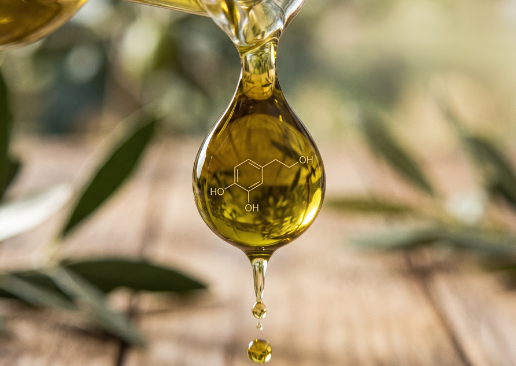
The protective qualities of olive oil stem from its natural phenolic compounds. Prominent among them are oleocanthal, which works along the same biochemical pathways as ibuprofen to curb chronic systemic inflammation, and hydroxytyrosol, an antioxidant with exceptional cellular protection capacity.
Under European Commission Regulation 432/2012, oils with over 250 mg/kg of polyphenols can officially claim to protect blood lipids from oxidative stress. Learn how to verify these compounds and read laboratory certificates in Savouidakis analysis of polyphenols in olive oil.
Cardiovascular Protection and Cholesterol Balance
Extensive clinical trials, including the multi-year PREDIMED study, show that regular intake of polyphenol-rich extra virgin olive oil helps prevent low-density lipoprotein (LDL) particles from oxidizing. This process prevents the vascular plaque accumulation that leads to cardiovascular disease. Concurrently, it preserves endothelial elasticity and maintains healthy baseline blood pressure.
Metabolic Health and Ketogenic Diets
Because authentic olive oil contains zero carbohydrates, it does not elevate circulating insulin or disrupt nutritional ketosis. Incorporating unrefined monounsaturated fats helps smooth out energy levels, curb sugar cravings, and protect vascular health on high-fat diets. For comprehensive macro breakdowns and daily meal plans, read Savouidakis' dedicated guide on olive oil for the keto diet.
Every bottle produced by Savouidakis undergoes rigorous independent chemical screening to ensure low acidity, verifiable polyphenol counts, and total purity. These rigorous standards are reflected in our extensive agricultural and safety certifications, and have earned repeated honors across major international olive oil competitions.
6. Cooking With Olive Oil: Smoke Point, Frying, and Baking
One of the most persistent kitchen myths is that extra virgin olive oil is too delicate for cooking, pan-frying, or baking. Modern food chemistry shows the exact opposite.
The Truth About Smoke Point and Oil Stability
The smoke point of high-grade EVOO ranges from 190°C to 210°C (374°F to 410°F), well above the standard temperatures used for stovetop sautéing, shallow frying, and oven roasting:
- Stovetop Pan Sautéing: 120°C to 160°C (248°F to 320°F)
- Pan-Frying and Shallow Frying: 160°C to 180°C (320°F to 356°F)
- Oven Roasting: 175°C to 200°C (350°F to 392°F)
More importantly, scientific research has proven that smoke point alone is a poor indicator of cooking safety. An oil's thermal stability depends on its fatty acid structure and antioxidant defenses. Because EVOO is packed with monounsaturated oleic acid and heat-resistant polyphenols, it produces far fewer polar compounds, trans fats, and lipid peroxides during heating than seed oils with higher nominal smoke points like canola, sunflower, or corn oil.
Substituting Olive Oil for Vegetable Oil and Butter
You can replace refined industrial vegetable oil with extra virgin olive oil at a 1:1 ratio across savory culinary dishes, marinades, and pan sauces. For baking cakes, muffins, and breads, EVOO delivers rich, moist crumbs while eliminating processed fats. When replacing butter, use 3 parts EVOO for every 4 parts butter called for in the recipe.
To see how pure Cretan EVOO elevates traditional Mediterranean cooking, browse our chef-curated collection of home-cooked olive oil recipes.
7. Shelf Life, Expiration, and Proper Storage
Unlike fine wine, olive oil does not improve with age. It is a fresh agricultural product at its nutritional and sensory peak the moment it leaves the mill separator.
How Long Does Olive Oil Last?
Unopened in a cool, dark environment, certified extra virgin olive oil retains peak quality for 18 to 24 months from its harvest date. Once opened, air enters the container and natural oxidation begins. An opened bottle should be consumed within 60 to 90 days to enjoy its full antioxidant profile and vibrant flavor.
The Four Enemies of Olive Oil
- Light: Ultraviolet rays trigger photo-oxidation, degrading chlorophyll and accelerating rancidity. Always choose dark glass bottles, ceramic stoneware, or coated tin containers over clear glass or plastic.
- Heat: Ambient temperatures above 21°C (70°F) break down aromatic esters and oxidize fatty acids. Never store oil directly above the stove or next to the oven.
- Oxygen: Atmospheric air oxidizes exposed lipid chains. Always screw the cap back on tightly immediately after use.
- Time: Even stored in ideal conditions, polyphenol levels gradually decline over months. Track the harvest date printed on the label, not just the packaging date.
8. How to Identify Authentic, High-Grade Olive Oil
Due to the global prevalence of mislabeled blends, learning to read an olive oil label critically protects you from deceptive supermarket packaging:
- Check for Single-Estate Provenance: Avoid generic labels reading "Packed in Italy" or "Imported from the EU", which often mask blends of low-grade bulk oils shipped in tankers. Look for single-country, single-region, or single-estate declarations.
- Demand a Clear Harvest Date: Transparent producers always print the harvest year (e.g., Autumn 2024 / Harvest 2024-2025). Absence of a harvest date is an immediate warning sign.
- Recognize the Olive Cultivar: High-end oils openly identify their variety. For instance, the Greek Koroneiki olive is famous worldwide for producing oils naturally packed with antioxidants.
- Taste for Bitterness and Pungency: Fresh, authentic EVOO will not taste greasy, buttery, or bland. It will show dynamic vegetal fruitiness, balanced bitterness, and a distinct peppery sting at the back of your throat confirming the presence of live oleocanthal.
When you purchase estate-grown oils from Savouidakis, you bypass industrial aggregators entirely. Our extra virgin olive oil travels directly from our family groves and modern extraction facility in Crete to your kitchen table, guaranteeing uncompromised purity and verified provenance.
9. Frequently Asked Questions About Olive Oil
What is EVOO?
EVOO stands for Extra Virgin Olive Oil. It represents the highest official quality classification for olive oil. To qualify, the oil must be extracted solely by mechanical means without heat or chemical solvents, maintain a free fatty acid level below 0.8%, and be certified completely free of organoleptic defects by an accredited sensory tasting panel.
What is the difference between olive oil and extra virgin olive oil?
Extra virgin olive oil is raw, cold extracted, completely unrefined fruit juice with zero chemical processing, low acidity, and maximum antioxidant content. Plain olive oil (often labeled "Pure" or "Classic") is primarily a blend of factory-refined olive oil that has been chemically stripped of odors and acid, combined with a tiny percentage of virgin oil to add back faint color and aroma.
Is olive oil good for you and healthy to consume daily?
Yes. Clinical trials and epidemiological studies across millions of individuals confirm that daily consumption of extra virgin olive oil supports heart health, improves cholesterol ratios, reduces markers of inflammation, and aids cognitive function. Its monounsaturated oleic acid and rich phenolic antioxidant content make it one of the healthiest dietary fats available.
What is the smoke point of olive oil, and can you fry with it?
High-quality extra virgin olive oil has a smoke point between 190°C and 210°C (374°F to 410°F). You can safely use it for pan-frying, deep frying, roasting, and stovetop cooking. Studies demonstrate that EVOO is significantly more thermally stable and resistant to toxic degradation than seed oils under heat, thanks to its high monounsaturated fat content and protective polyphenols.
Can you substitute olive oil for vegetable oil in cooking and baking?
Yes. You can substitute extra virgin olive oil for vegetable oil at a 1:1 ratio in nearly all savory dishes, dressings, and marinades. For baked goods like cakes and quick breads, EVOO delivers tender texture and moisture. For delicate baking where a fruity flavor note is unwanted, select a mild, late-harvest extra virgin oil.
Does olive oil go bad or expire?
Yes, olive oil is a perishable fruit juice that degrades over time. Unopened bottles stored in cool, dark environments remain in peak condition for 18 to 24 months from their harvest date. Once opened, exposure to oxygen gradually degrades flavor and polyphenols, so bottles should ideally be enjoyed within 2 to 3 months.
How much olive oil should you have per day?
Scientific studies, including the PREDIMED trial and the European Food Safety Authority recommendations, suggest consuming approximately 20 to 30 ml (1.5 to 2 tablespoons) of high-polyphenol extra virgin olive oil daily to achieve measurable cardiovascular and anti-inflammatory benefits.
How many calories are in a tablespoon of olive oil?
One tablespoon (15 ml) of olive oil contains approximately 120 calories and 14 grams of fat. It contains zero carbohydrates, zero sugars, and zero proteins. Because its calories come from heart-healthy monounsaturated fats rather than processed fats, it supports lasting satiety and metabolic balance.
How is extra virgin olive oil made?
EVOO is made by washing fresh-picked olives, crushing them into a paste with steel hammer mills, gently mixing the paste (malaxation) below 27°C without chemicals, and spinning it in a high-speed centrifuge to separate the pure oil from water and solids. The oil is then filtered and preserved in stainless steel tanks under nitrogen.
Does olive oil freeze in the refrigerator?
Yes. Olive oil naturally becomes cloudy, thickens, and eventually solidifies when cooled below 4°C to 7°C (39°F to 45°F) due to its monounsaturated and saturated fatty acid content. Chilling or solidifying does not harm the oil, and it will return to its liquid state at room temperature without any loss of quality.
The Bottom Line on Real Olive Oil
Authentic extra virgin olive oil represents the rare intersection where extraordinary culinary flavor meets validated human health benefits. It is not an industrial cooking grease, but an artisanal fruit extract shaped by soil, sunshine, olive variety, and meticulous harvesting technique.
When selecting olive oil for your home, look past deceptive label claims. Choose single-estate origins, verify harvest dates, look for third-party certifications, and insist on cold extracted oils that showcase the vibrant, peppery character of live antioxidants.
At Savouidakis, we produce certified, single-estate Cretan extra virgin olive oil from native Koroneiki trees grown in the sun-drenched Messara Valley. Extracted within hours of harvest at temperatures strictly below 25°C, our oils consistently capture international acclaim across leading olive oil competitions and maintain rigorous third-party quality certifications.
Want to explore how genuine Cretan terroir shapes taste and aroma?
Book a Cretan olive oil tasting and food pairing experience at our estate, or explore our Savouidakis olive oil selection online to bring single-origin estate quality directly to your table.